The Round Room
On the rooms we’re given, and the one we’re not
I had a thought the other night. Not a download, just a thought. The slow machinery of UAP disclosure keeps grinding, and everyone who’s been watching for years has spotted the same snag: every road into the subject dead-ends at consciousness. There’s something here the people steering this don’t want widely known. I don’t think it’s the craft. I think it’s us.
Start from what I already work with. Meditation opens the instrument. Whatever state it’s in, it gets more receptive to non-physical reality. Contact comes through non-local channels: trance, lucid dreaming, projection, downloads, dreams. Manifestation works, slow and imprecise, but it works. And the more minds you aim at one thing, the faster and cleaner it resolves — coherence outruns any single operator.
CE5 is the demonstration. I’ve run it solo and pulled results. I know it works because I’ve sat in it myself. And the protocol is built around a finding that keeps repeating across everyone who logs it: gather three or more and you’re almost guaranteed something, a light, a craft, some weirdness at the edge of the field. The reason has a name, and it’s coherence. Many minds, one signal, pointed the same way.
Here’s the piece I kept circling. The work doesn’t get done by everyone wanting the same outcome. The work gets done by attention itself, massed. Twenty thousand people watching one event are doing something twenty thousand people scattered across twenty thousand screens never can. The attention lands in one place. It anchors. A thing witnessed by a crowd becomes real in the shared field in a way a private experience never gets to be.
So if massed attention is the substrate — if coherence is the anchor under both manifestation and consensus reality — then anyone who wanted a population kept quiet would build exactly one machine. A machine to keep attention from ever massing. Call it what it is: anti-coherence technology.
You don’t have to censor anything to run it. Leave the truth-bearing thread sitting there in the open. Just make sure attention never gathers on it long enough to set.
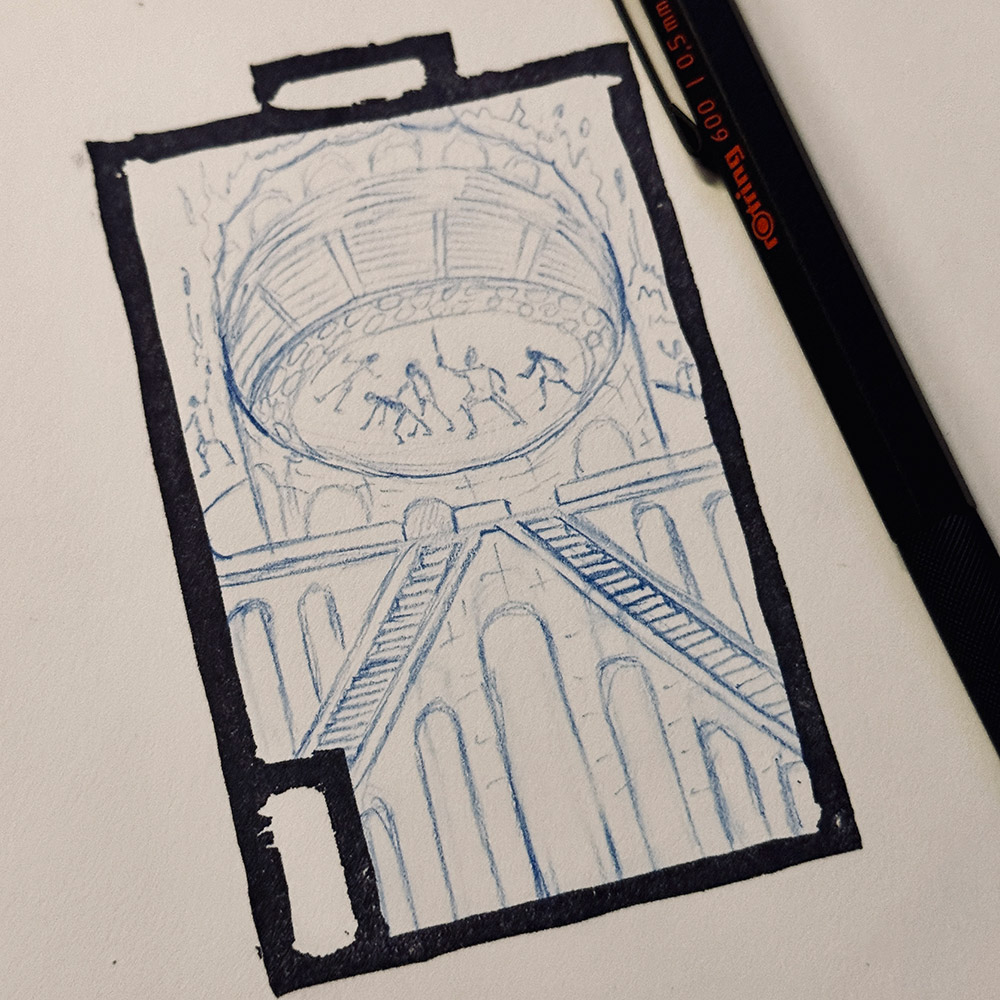
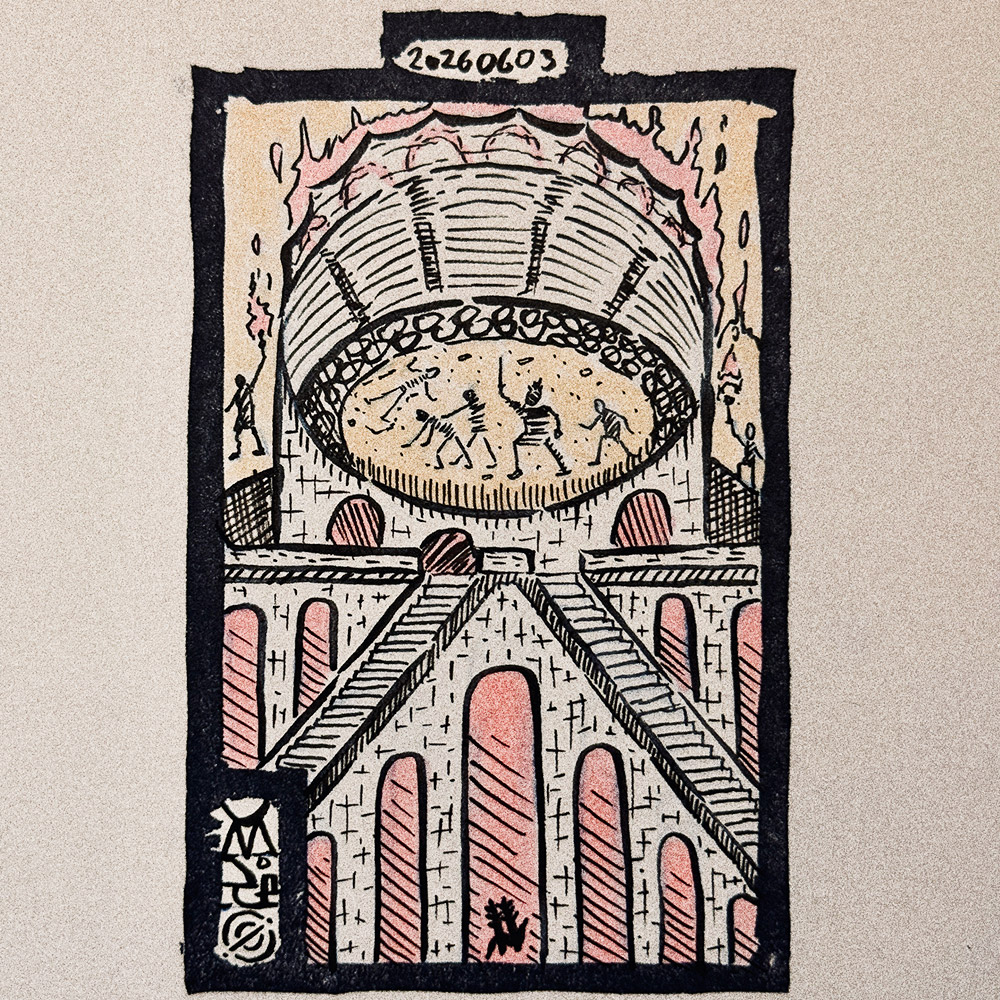
The Romans had a crude version. Gather bodies into a round stone room, point them at a spectacle, let them split into camps and burn the afternoon screaming over which man should bleed. In 70 BC, Pompeii built one of the first in stone, twenty thousand seats. A century and change later, the crowd turned on itself: Pompeians and the neighboring Nucerians went from insults to stones to weapons, people died, and the Senate banned the games there for a decade. That’s the building showing its real function under load. Expensive, though. You had to quarry the bowl, stage the games, feed the mob.
The modern version is cheaper by orders of magnitude, and it’s elegant. The internet arrived as a unifying technology, and in a lot of ways it still is. Then social media got its hands on it and turned the thing lonely. It pitted everyone against everyone, wired a dopamine casino straight into the nervous system, and loosed an endless swarm of bots over a population already primed to swing.
Watch it operate. A single truth-bearing thread on Reddit gets swarmed inside minutes. And the part that should keep you up at night: it barely takes any bots to do it. Humans love to throw shit at each other. All you have to do is show them how, and at who. The machine supplies the first shove and the target. Everything after that is volunteer labor. The ammunition loads itself.
The word for this is self-correcting, and it earns the word. Every click, every rage-reply, every three-hour doomscroll feeds back as data: metadata, packaged and sold to the same companies that profit from selling you things you didn’t need, the money flowing right back to the coffers that built the apparatus in the first place. So it pays for itself. And the data teaches it. It learns what isolates you and what enrages you, then spends the proceeds getting better at both. Atomize first, so no real crowd ever forms. Then, wherever attention starts to gather anyway, fork it before it can cohere. Homeostasis with a learning rate. That’s why it keeps feeling like it’s tightening. It is.
Now look at what’s actually being harvested. Money is downstream. It’s the shape the thing takes once it’s been refined and resold. What gets mined, packaged, and sold back to you is your attention. The exact faculty that anchors reality, the one that lets a coherent group punch up instead of sideways, has been financialized and turned against the people generating it.
And the price tag is the confession. A planetary extraction economy got built around attention because attention is the most valuable thing there is. That valuation and the suppression are one fact read twice. The thing is worth that much precisely because, gathered and aimed, it’s dangerous.
Which brings me back to the wall at the front of disclosure. The function they don’t want widely known has never been locked in a vault. It sits in the open with a dollar figure stapled to it. We’re told consciousness is a byproduct, attention is a commodity, and the only rooms on offer are forked ones — two teams, two parties, two outcomes, pick a side and start swinging at the guy next to you. We’ve never once been handed the round room with a single center.
No one’s going to hand it over, either. That part we build, or we don’t. Stop swinging laterally. Find the center. Put the attention there and don’t let them shatter it before it sets.
That’s the whole game. They know it. The price tag proves they know it.
Just a thought.