The destination you were never meant to reach.
Field Notes 20260528 - Thursday
When talking about meditation, the subject of stillness quickly becomes the center of it all, and why shouldn’t it? Meditation is the natural gateway to experience stillness and realize what it truly means to be present, to be “in the now.” If you don’t know where to even begin with this process, I can attest that “The Gateway Program” is an excellent place to start.
Having said that, it’s a program much like other guided meditation practices, self-hypnosis, mindfulness apps, gurus, etc. Such a program is meant to onboard you to the experience and primarily serve as training wheels. What most of these programs fail at is describing just exactly how to ditch the training wheels, and that’s by design.
If you are told that something is only meant to be used for a period of time and then instructed to stop, that program will go out of business. So, it’s no surprise that “what happens after” is hardly ever, if ever, spoken about. From time to time you’ll encounter individuals like Tom Campbell and the like explicitly stating this very fact: you’re not meant to anchor yourself to any one practice, use it, learn, and then move on.
Somewhere two years into working with The Gateway Tapes, I realized (almost intuitively, but I still had to dig at it) that I wasn’t understanding a big part of the whole picture. In fact, this part was so big that once you recognize what it is, you quickly move on to see it as a necessity throughout all of your life, maybe even a fundamental lesson that you were perhaps made to forget at some point.
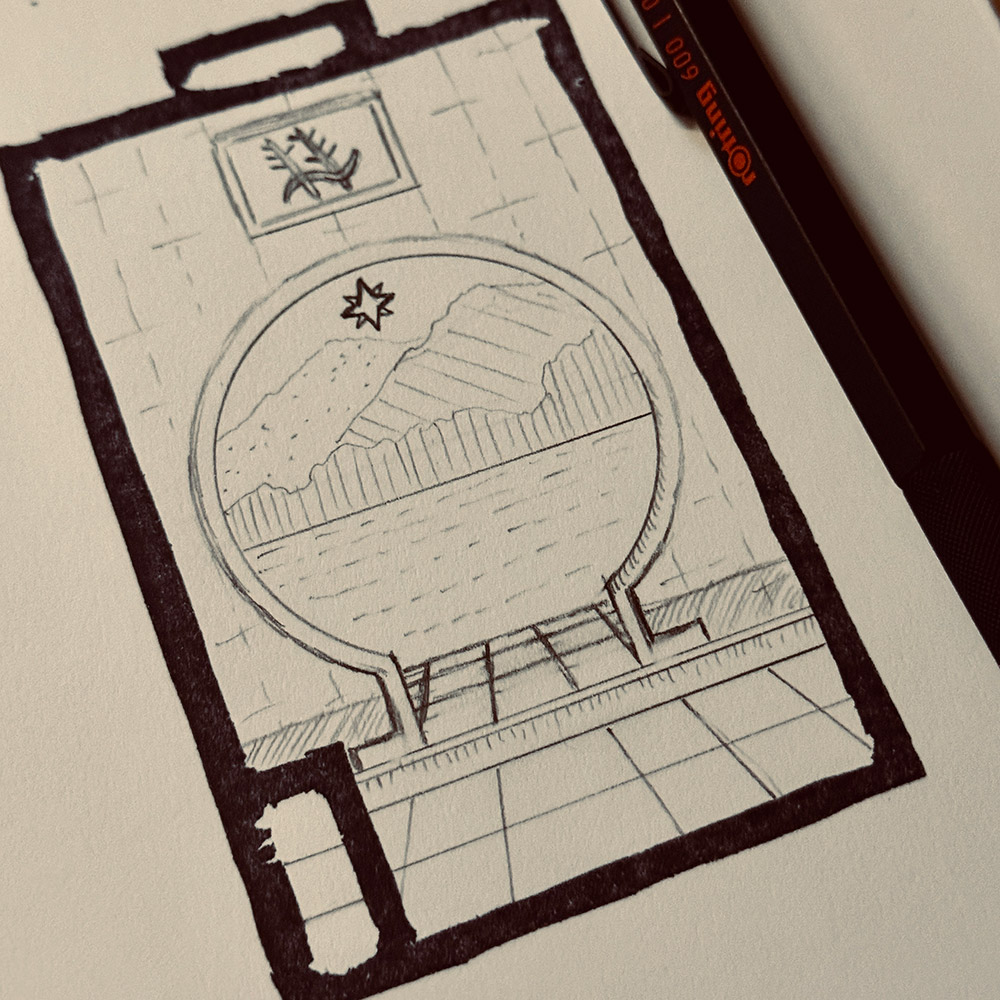
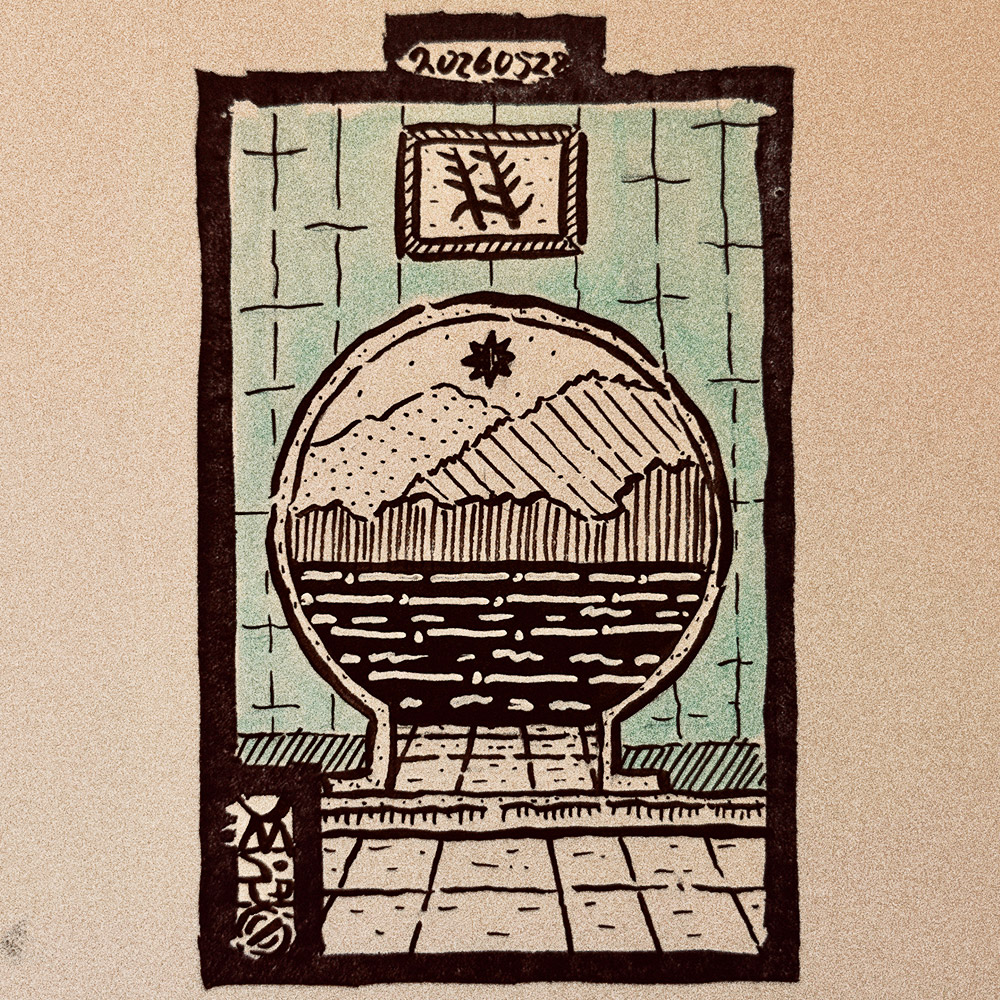
For the longest time I had stillness pegged as the destination itself. It isn’t. Stillness is the door, and like any door, it only matters for what’s on the other side of it.
What I’m talking about is spending a considerable amount of time experiencing being present. Not reliving the past, not thinking about the future, but focusing on the present moment. Past and future do not exist; there is only now. How many times do you hear this? I bet it’s a lot, but do you really know what it means? I thought I did, but I’m finding that it is one of those features of existence that is fundamental and yet extremely difficult to exercise in this physical reality bound by linear time.
And that difficulty is the whole thing. The now isn’t hard because it’s far away — it’s hard because it’s too close, nearer than the thoughts we keep using to go looking for it. The program can carry you right up to the edge of it, but nobody can pedal across that gap on your behalf.
That crossing is yours alone, and it was never a technique. The mind won’t make it for you; it can’t, and it was never built to. Its whole job is self-preservation, which keeps it pacing between a past it calls identity and a future it calls fear. So the lifetime’s work isn’t fixing the instrument. It’s remembering you were always the one listening, not the radio.
What surprised me is how old this lesson actually is, and how thoroughly it seems to have been buried. Lately I’ve been sitting with the Gospel of Thomas, the sayings of Christ that never made it into the Bible, and read through this lens, they are almost entirely about the now: not a kingdom you wait for in some future heaven, but one already laid across the earth that people simply don’t see. Separate the man from the institution that turned him into an icon, the very thing he warned against. What’s left is a teacher pointing, over and over, at the present moment as the only door there ever was. The same door the Tao describes. The same one the Buddha sat down to find. The destination you were never meant to have to reach.
So I’ve put together what I’m calling a Presence Companion. It gathers the eternal-now and unity sayings from Thomas into a handful of movements I can sit with instead of read past. My intention for this year is to weave them through my practice as their own kind of session: one sitting at a time, no rushing, letting each saying move from something I provisionally believe into something I’ve actually seen, and eventually into something I simply remember.
I don’t expect to finish it. That would miss the point entirely. The work is the sitting. The now is already here, doing nothing but waiting for me to stop looking past it.
The Father’s kingdom is spread out upon the earth, and people don’t see it.” — Gospel of Thomas, Logion 113 (trans. Stephen Patterson & Marvin Meyer)